Reviewed by Yoan Guyon, Managing Director at gbc engineers
Structures are designed to perform for decades, but the climate conditions they face may change during that service life. Changes in wind, rainfall, flooding, snow, ice and temperature can affect both structural loads and long-term durability.
This does not mean every load will increase everywhere. The effect depends on the hazard, location and structure. For engineers, the challenge is to understand where future conditions could change design assumptions and how those risks should be addressed.
This article looks at the main climate-related factors influencing structural design, the growing role of future climate data and what climate-resilient design can change in practice.
Which structural loads and conditions are most affected by climate change?
Climate change affects structural loads in different ways. Some risks may increase, others may decrease, and many vary significantly by region. Engineers therefore need to identify which conditions could materially affect a structure during its service life.
Wind loads
The IPCC projects that a larger share of tropical cyclones will become intense, with higher peak wind speeds as the climate warms. Other extreme wind patterns are less certain and vary by region.
This regional difference matters because wind pressure increases quickly as wind speed rises. Higher design wind speeds can affect structural stability, drift, facade pressure and connection demand, particularly for tall or slender structures.
Flood and water loads
More intense rainfall can increase runoff and flash-flood risk, while sea-level rise can increase coastal flooding and storm surge. The structural impact begins once water reaches a building or infrastructure.
Depending on the site, engineers may need to consider hydrostatic pressure, uplift, debris impact, erosion and scour around foundations or bridge piers. Ground conditions, drainage, water levels and local topography also influence the loads a structure may face.
Ground and foundation conditions
Changes in rainfall, temperature and soil moisture can also affect the ground supporting a structure. In clay-rich soils, repeated drying and wetting can cause the ground to shrink or swell, increasing the risk of settlement, subsidence or heave.
These changes can influence foundation performance over time. Where ground conditions are sensitive to moisture, future climate conditions may therefore need to be considered alongside the site's geotechnical information.
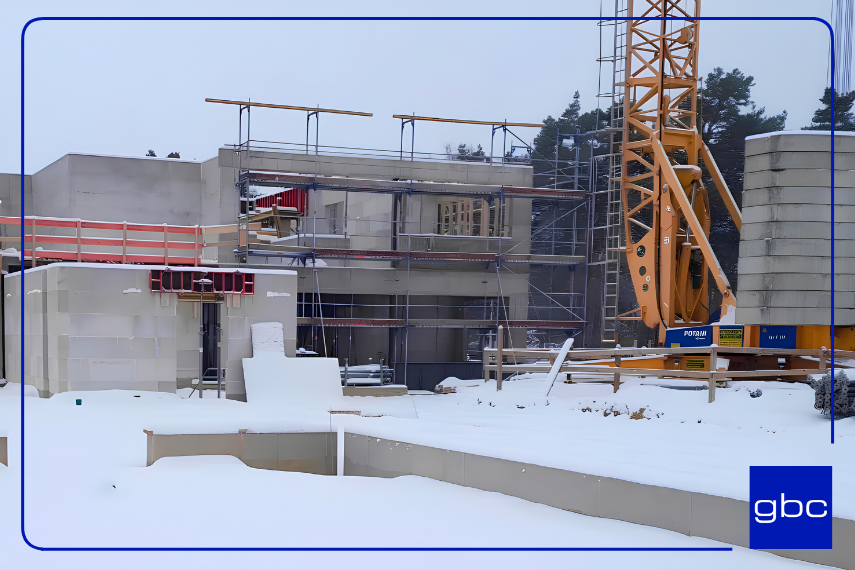
Snow and ice loads
Future winter loads may not change in the same direction. For example, across much of southern Canada, snow accumulation is projected to decrease, while ice loads may increase in some areas.
Warmer winters therefore do not automatically mean lower structural demand. Changes in freezing rain, ice accretion and rain falling onto an existing snowpack can create different loading conditions. Engineers need to assess which winter conditions are most relevant to the project location.
Temperature and thermal loads
Temperature changes cause materials to expand and contract. Where movement is restrained, this can create additional forces and stresses, especially in long structures, bridges, roofs and facades.
Temperature also affects durability. Heat, moisture and aggressive exposure can influence how materials deteriorate over time. Climate change can therefore affect both the loads acting on a structure and its ability to resist them throughout its service life.
Read more: Eco Friendly Technologies Transforming Sustainable Engineering
How future climate data complements historical design values
Structural design has traditionally relied on climatic values derived from historical weather records. These records remain essential, but they describe past conditions and may not fully represent what a long-life structure will experience several decades from now.
Canada has developed projected climatic design values for temperature, precipitation, snow, ice and wind. Its 2025 National Building Code also introduced future climatic design values for the first time. In the United States, NIST is examining how future hazards, changing load effects and material degradation can be reflected more directly in codes and standards.
Future climate data does not replace current codes or historical records. It provides another input when a project's service life, exposure or importance makes future change relevant. Because confidence varies between climate variables, projections are better used to test plausible future conditions than to predict one exact future scenario.
What climate-resilient structural design changes in practice
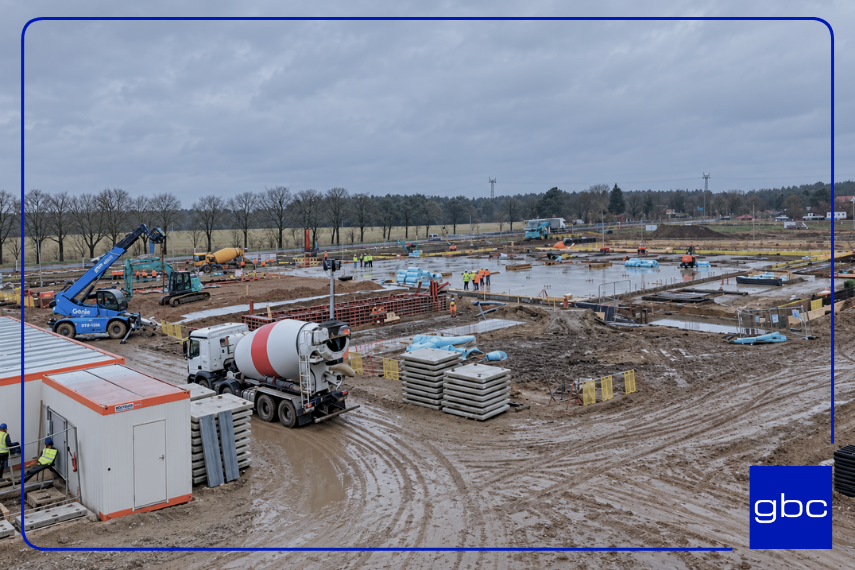
Once a relevant risk is identified, the design response can focus on the part of the structure that is exposed.
Flood risk may influence finished floor levels, foundation design, drainage or scour protection. Higher wind demand may affect structural members, facades or connections. Greater temperature variation may require closer attention to joints, bearings and restraint conditions. Changes in moisture, heat or salinity can also affect concrete specification, corrosion protection and detailing.
The objective is not to strengthen every element. It is to identify where future conditions could change structural performance and respond to that specific risk.
How monitoring supports long-term resilience
Design cannot remove every uncertainty, especially for assets expected to operate for many decades. Structural health monitoring can add information after construction by tracking strain, displacement, temperature, vibration or corrosion-related conditions.
For long-life, critical or difficult-to-inspect structures, this information can help engineers compare actual behavior with design assumptions and identify when further inspection or maintenance may be needed. Monitoring supports engineering decisions rather than replacing inspection or technical judgment.
Read more: Building Physics Case Study: Curtain Wall Overheating
How climate resilience affects cost and material use
Climate-resilient measures can increase upfront cost, but timing and targeting matter. The World Bank has estimated that improving the resilience of new infrastructure in low- and middle-income countries could add around 3% to total investment while avoiding much larger costs from damage and disruption.
At the same time, adding more material everywhere is not an efficient response. Cement and steel already contribute significantly to the carbon footprint of the building sector. Resilience measures should therefore address a defined risk rather than simply increase structural capacity across the project.
How gbc engineers approaches climate-related design risk
At gbc engineers, structural analysis, detailed and precast design, BIM coordination and digital workflows are connected within the same project process. This allows service life, site exposure and project-specific load assumptions to be considered early, while the structural concept is still developing.
As climate data and design guidance continue to evolve, the same workflow provides a practical basis for considering relevant future conditions where required. Data can improve the information available to the project team, while technical review, engineering judgment and design responsibility remain with the engineers.
Read more: Residential Structural Engineer: When and Why You Need One
Conclusion
Climate change does not create one universal increase in structural loads. Its effect depends on the hazard, location, service life and structural system.
For structural design, the key change is how future conditions are considered alongside current codes and historical data. Assessing these risks early allows engineers to focus design measures where they can make a meaningful difference.
Frequently asked questions
Does climate-resilient structural design apply only to new buildings?
No. Existing structures can also be assessed for changing climate exposure. Depending on the risk, the response may include drainage improvements, flood protection, connection upgrades, durability measures or monitoring.
Are future climate loads already included in building codes?
It depends on the jurisdiction. Canada introduced future climatic design values in its 2025 National Building Code, while other countries and standards are at different stages of incorporating future climate information.
Does climate change make every structural load larger?
No. Some loads may increase, others may decrease, and the effect varies by location. Engineers need to assess the specific climate hazards relevant to the project.
How should engineers decide which future climate conditions to assess?
The assessment should consider the project's location, expected service life, structural importance, exposure and available national or regional guidance. Where projections remain uncertain, engineers can compare several plausible scenarios rather than rely on one future value.
|
About us
gbc engineers
is an international engineering consultancy with offices in Germany, Poland, and South East Asia, having delivered 500+ projects worldwide. We provide services in structural engineering, data center design, infrastructure and bridge engineering, BIM & Scan-to-BIM, and construction management. Combining German engineering quality with international expertise, we achieve sustainable, safe, and efficient solutions for our clients.
|